
360 GRAD videos
Discover how 360-degree videos are changing the way we see and experience the world. They are already used in different areas such as
Tourism
, real estate, marketing, entertainment, education and journalism. Learn how 360-degree video is the future of virtual reality advertising and how it will revolutionize education.
Companies
across all industries can harness the potential of 360-degree video for growth by applying relevant strategies and real-world examples. Let yourself be captivated by the fascinating
magic of 360-degree videos
and come with us on a journey into the future of experiences.

360-degree videos have only been around for a relatively short time, but their origins can be traced back to the invention of panoramic photography in the 19th century. The technology for creating 360-degree video took shape in the late 2000s and early 2010s, when the first consumer 360-degree cameras hit the market. These early cameras, such as the Kodak PixPro SP360 4K or the Ricoh Theta, used multiple lenses to capture a full 360-degree view of a scene.
As the technology evolved, more companies like GoPro, LG, Samsung and Nikon launched their own 360-degree cameras. These early consumer cameras had limited resolution and image quality compared to today’s cameras, but they paved the way for the development of more advanced and sophisticated 360 degree cameras as we know them today. They made it easy for consumers,
to capture stunning 360-degree images
and videos, and helped spread the technology. With the increasing popularity of virtual reality and the growing use of mobile devices for video consumption, 360-degree videos are becoming more in demand and are now being used by companies to enhance their marketing strategies and create new revenue streams.
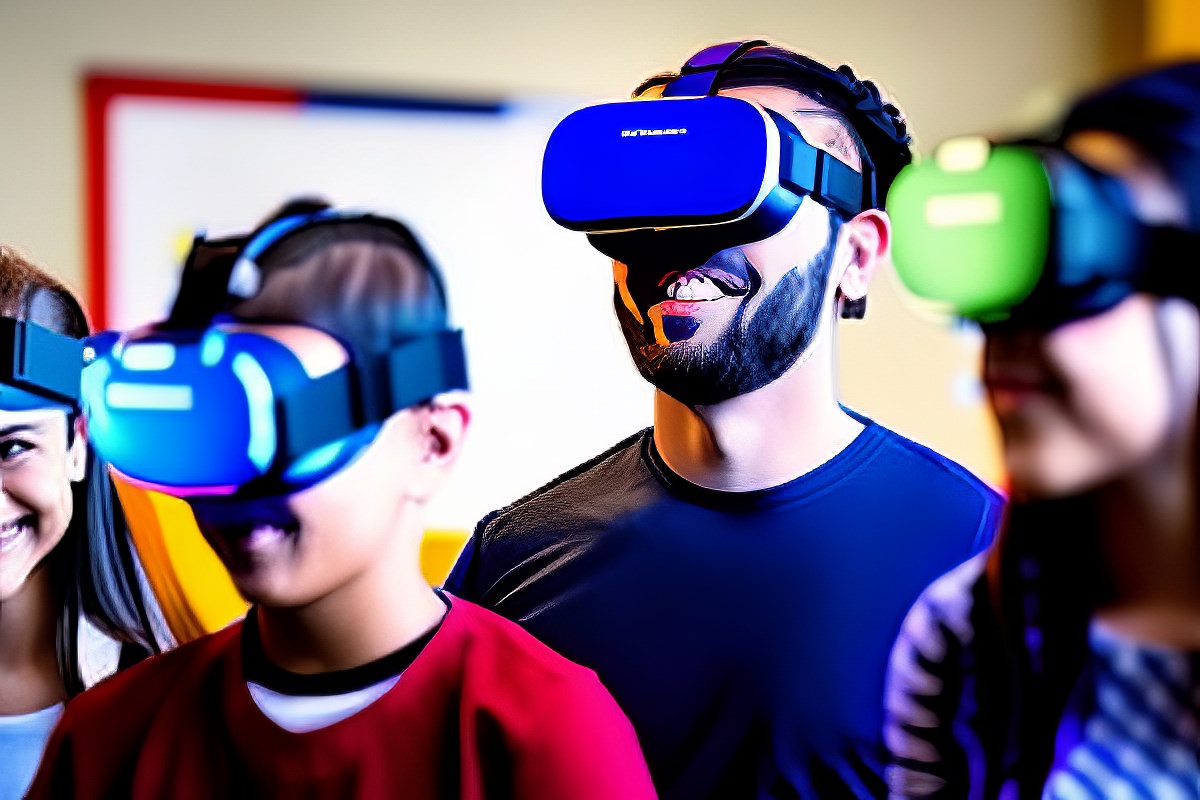

From tourism and real estate to marketing and beyond
The development of 360 degree videos
The first 360-degree videos were used primarily in the tourism and real estate industries, as they allowed potential customers to take virtual tours of properties and destinations, giving them a more immersive experience.
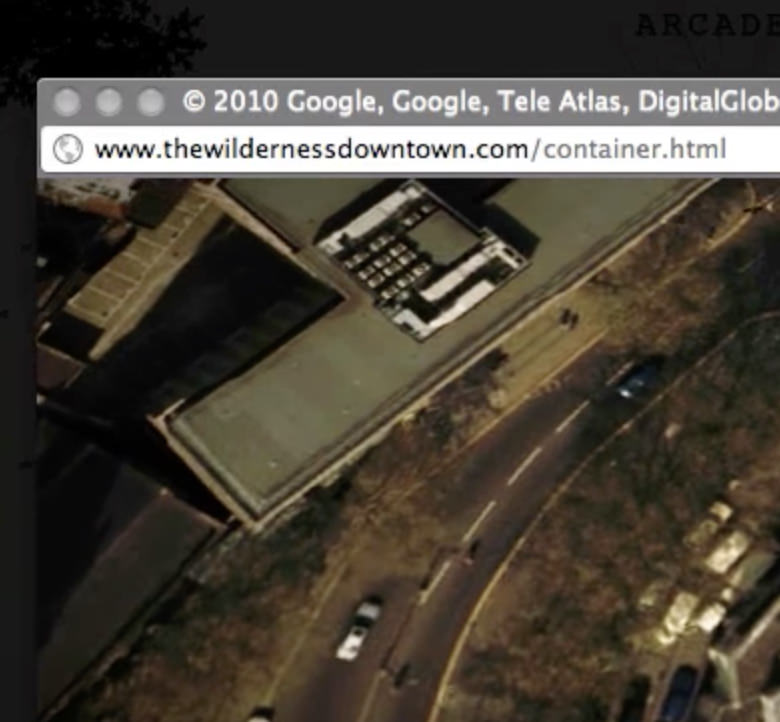
Among the first examples of 360-degree videos was the “360 Cities” project, which launched in 2008 and featured virtual tours of landmarks and destinations around the world. “The Wilderness Downtown” by Arcade Fire, released in 2010, was one of the first examples of a 360-degree music video that used Google Street View technology to allow viewers to explore a neighborhood while watching the music video.
“The Inside Experience” by BMW, released in 2011, was one of the first examples of a 360-degree video used for marketing purposes, and “The Cirque du Soleil: Worlds Away“, a 2012 film directed by Andrew Adamson, was one of the first examples of a 360-degree film. These early examples helped popularize the technology and paved the way for the development of advanced and sophisticated 360-degree videos we see today. With the increasing popularity of virtual reality and the growing use of mobile devices for video consumption, 360-degree videos are becoming more in demand and are now being used by companies to enhance their marketing strategies and create new revenue streams.

360 degree videos are a technology that has become increasingly popular in recent years. They allow viewers to look around a virtual environment and enjoy a complete experience. As the technology for creating 360-degree videos has improved and become more widespread, its scope has expanded beyond its original applications in tourism and real estate. 360-degree videos allow viewers to immerse themselves in the events and create an
immersive experience
experience. There are many possibilities in which directions the applications of 360 degree videos can go and the future promises many more interesting developments in this area.

01
Entertainment
 The entertainment industry has started to use 360-degree videos for music videos, live performances and other events. Musicians and bands like Paul McCartney, Coldplay, and Madonna have used 360-degree videos to give their fans a new and immersive way to experience their music. In addition, live events such as concerts and sports games were streamed in 360-degree videos, so fans who couldn’t be there in person could feel like they were there.
Entertainment companies are using 360-degree videos to give their customers virtual tours of their venues, so they can get an idea of what a concert hall, theater or theme park is like before they visit. In this way, they allow potential customers to get an idea of the environment and seating in advance, making it easier for them to decide whether to visit.
- Virtual Reality Experiences
- Concert recordings
- Movie trailer
- Travel and experience reports

02
Education
 The education sector has also begun to use 360-degree video for virtual field trips and educational experiences in fields such as history, science, and geography. They are also used for virtual tours of museums and other cultural institutions, allowing visitors to explore these spaces in an immersive way.
Also
Educational institutions
are using 360-degree videos to offer virtual tours of their campuses so potential students can get an idea of the school before deciding to visit. We can help your educational institution use virtual reality to enhance their curriculum and provide new learning experiences for their students. As pioneers in 360-degree video with teaching degrees, we have years of experience in delivering immersive experiences and engaging people in a new and compelling way.
- Virtual classroom
- Interactive learning environments
- Experience oriented lessons
- observation of situations

03
Journalism
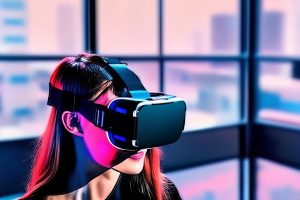 In journalism, 360-degree videos are increasingly used to tell stories virtually and enable immersive reporting. They allow the viewer to empathize with what is happening in a faraway place and gain a deeper understanding of the subject. News organizations such as the New York Times and CNN have used 360-degree video to cover major events such as the Syrian refugee crisis and the 2016 U.S. presidential election. They allow the audience to be up close and see events from a new perspective. Other media companies and news organizations have also realized that 360-degree videos can be a valuable addition to their reporting and are using them more and more. It can be assumed that the use of 360-degree videos in journalism will continue to increase in the future.
- Immersive reporting
- All-around view of events
- interactive stories
- virtual storytelling.
360 degree videos as a cross-industry success guarantee for growth!
These examples show how 360-degree videos can be used by businesses to enhance their marketing strategies and create new revenue streams by providing immersive and interactive experiences.

360 degree videos as a key to success
We can help companies stand out from the crowd and attract customers in a crowded market. In addition, our 360-degree videos help businesses provide their target audience with a deeper understanding of their products, services, and experiences, increasing customer satisfaction, engagement, and ultimately sales.
9 Strategies and examples from practice
360-degree videos have become a valuable resource for companies looking to improve their marketing strategies and create new revenue streams. Many companies in various industries have started investing in the production of 360-degree videos to showcase their products, services and experiences.

Real Estate
One example is the real estate industry, where real estate companies are using 360-degree videos to give potential buyers virtual tours of properties. This way, buyers can see every room and feature of a home without physically visiting it, making it easier for real estate companies to market properties and buyers to find properties that meet their needs.

Tourism
Another example is the tourism industry, where many tourism companies use 360-degree videos to offer virtual tours of their destinations so that potential customers can get an idea of a place before deciding to visit. This makes it easier for tourism companies to market their destinations and attract customers.

Trade
Retailers are using 360-degree videos to give customers virtual tours of their stores, allowing them to see every product and feature of a store without having to physically visit it. E-commerce companies are also using 360-degree videos to show their products from all angles to give customers a better idea of what a product looks like and how it works. This helps e-commerce companies market their products and increase sales.

Automotive
Similarly, automakers are using 360-degree videos to showcase their vehicles and allow potential buyers to explore the interior and exterior of the vehicles from all angles without having to visit a dealership.

Nutrition
Food and beverage companies are also using 360-degree videos to showcase their dishes and drinks, so customers can see what a menu item looks like before they order it. This helps food and beverage manufacturers market their products and increase sales.

Nonprofit organizations
Nonprofit organizations use 360-degree videos to raise awareness and document human rights abuses and other issues. They also use 360-degree videos to offer virtual tours of their projects so potential donors can see the impact of their donations.

Healthcare
In healthcare, providers are using 360-degree videos to give patients virtual tours of their facilities so they can get an idea of what a hospital or practice is like before they decide to visit. This makes it easier for healthcare providers to reach new patients.

Fitness
The fitness industry is also using 360-degree videos to showcase its facilities and equipment and offer virtual tours so potential members can see what a gym or fitness center looks like before they decide to join. This makes it easier for fitness businesses to attract new members.

Craftsman
360-degree videos allow craftsmen to create an immersive view of their work, which helps clients better visualize what the result will look like. This also enables them to explain complex processes more easily and to better present their skills and competencies in order to stand out from the competition.
These examples show how 360-degree videos can be used in a variety of industries to enhance marketing strategies and create new revenue streams by providing immersive and interactive experiences. They can help companies stand out in a crowded market and attract customers, and they also help companies give their target audience a deeper understanding of their products, services, and experiences, increasing customer satisfaction, engagement, and ultimately revenue.
360 degree videos: The future of virtual reality advertising
360 degree videos have become increasingly popular in recent years due to the rise of virtual reality and immersive technologies. Demand for 360-degree video is driven by several factors, including the increasing use of virtual reality, the growing popularity of immersive technologies, and the growing consumption of video content on mobile devices. A notable example of the growing demand for 360-degree video is the advertising industry. Studies have shown that 360-degree videos lead to twice the willingness to visit a location in person compared to traditional videos, which has led many companies to invest in 360-degree video advertising to promote their products and services.
Immersion: the fascinating magic of 360 degree videos
The best 360 degree videos offer a unique level of immersion that makes the viewer feel like they are truly a part of the scene. Imagine being in the front row at a concert or exploring a distant planet – that’s the level of immersion VR videos offer. This level of engagement is not present in traditional videos that offer a one-dimensional view. With 360-degree videos, viewers can look around the scene and experience it from different angles, so they feel like they’re really there.
For companies looking to improve their marketing strategies, this increased immersion is critical. Just as a book with multiple perspectives is more compelling than a one-dimensional story, the best 360-degree videos can help increase brand awareness and generate more leads and sales. They also provide a more memorable experience, similar to a 3D movie, which can lead to higher customer satisfaction and loyalty.
Move into the future with 360 degree videos
Overall, the history of 360-degree video is relatively short, but the impact of this technology on the corporate world is significant. 360-degree videos have become an important tool for companies to engage with customers and create new revenue streams. 360-degree videos offer an immersive experience that immerses viewers in new worlds, whether they’re in the front row at a concert or exploring a new planet.
They are a powerful tool for companies improving their marketing strategies. As icing on the cake, they can also lead to higher customer satisfaction and loyalty. As the technology continues to improve and gain acceptance, the uses and impact of 360-degree video will likely continue to grow.
Frequently asked questions about 360 degree videos
How to watch 360 degree videos?
To watch 360-degree videos, you need a virtual reality (VR) headset or a smartphone with a VR app. Then open the video and put on the VR headset or place the smartphone in the VR holder. You can then navigate the environment of the video by moving your head or by controlling the VR headset or app. Some platforms also offer the ability to watch 360-degree videos without VR equipment by simply navigating through the video with your mouse or finger.
Here is a 360 degree video as an example. It was shot from the air at the Frankfurt Christmas Market as a time-lapse video.
What is the format of 360 degree videos?
360 degree videos are movies that provide a complete all-around view and are recorded with special cameras that capture images in all directions. They are displayed equirectangular and differ from conventional videons in that you can change the perspective within the video. They can be saved in different file types, such as MP4 or MOV, and played on different platforms, such as YouTube, Facebook, 360.film, and VR headsets.
What is 360 degree video?
A 360 degree video is a video that allows the viewer to see the environment in any direction and feel like they are part of the video. It can be played on various devices such as VR glasses, smartphones or computers.
Where can I find VR movies?
You can find VR films in various online platforms, e.g. on YouTube and Vimeo, but soon also on our own portal at the URL 360.film the best 360 degree videos. There you will find a wide selection of 360 degree VR movies and be able to access them conveniently online.
Why should I hire you for 360 degree videos?
As a leading expert in 360 degree videos, Sascha Endlicher, founder of Panomity GmbH, has undeniably proven his authority in the industry. Winning international awards from companies in Palo Alto, California and Beijing, China, he has wowed both judges and audiences with his impressive VR storytelling in his 360-degree films. As a brand ambassador for the renowned 360-degree camera company KandaoVR and Insta360, he is also brought in as a consultant in the development of new products. If you are looking for an experienced and successful specialist in the field of 360 degree videos, Sascha Endlicher and his team from Panomity GmbH is the perfect choice for you. With his impressive track record, international awards and role as a brand ambassador for leading companies in the industry, he is the ideal partner to successfully implement your 360 degree video production.

Based in the east of Munich, we share content with like-minded people and look forward to hearing from you!